Learn how to create a go-to-market playbook. This guide covers core parts, a 7 step building process, common mistakes, and how to measure success.
Table of Contents
Learn what a go-to-market playbook is, why you need one, and how to create a plan that helps your team sell more.
We often talk about business planning like it is a big, abstract idea. We have meetings about entering a market or launching a product. Where most companies struggle is not in the idea itself. They struggle with actually doing the work.
This is exactly why we need to talk about the go-to-market (GTM) playbook.
Think of a GTM playbook as your company manual. It is the document that defines how your marketing, sales, product, and customer success teams actually work together. It tells them how to find buyers and guide them through a sale. It connects your big ideas to your daily actions.
The difference between a launch that fails and one that grows well is usually found in the quality of this playbook. In this guide, we will break down exactly what goes into one, how to build it from scratch, and how to make sure it actually works.
Key Takeaways
- A GTM playbook is a shared manual. It keeps sales, marketing, and product teams on the same page.
- Business sales are complex. Playbooks stop confusion and speed up long sales cycles.
- You need seven core parts. These include your target market, buyer profiles, clear messages, sales steps, marketing channels, competitor details, and customer success plans.
- Always start with clear goals. Know what success looks like before you write anything down.
- Pick the right growth model. Decide if your product, your sales team, or your marketing content will lead the way.
- Track the right numbers. Watch your pipeline generation, win rates, and sales velocity to see if your plan is working.
Why the Playbook Matters in B2B
You might be wondering if you really need a formal manual. If you sell to other businesses (B2B), the answer is a very loud yes.

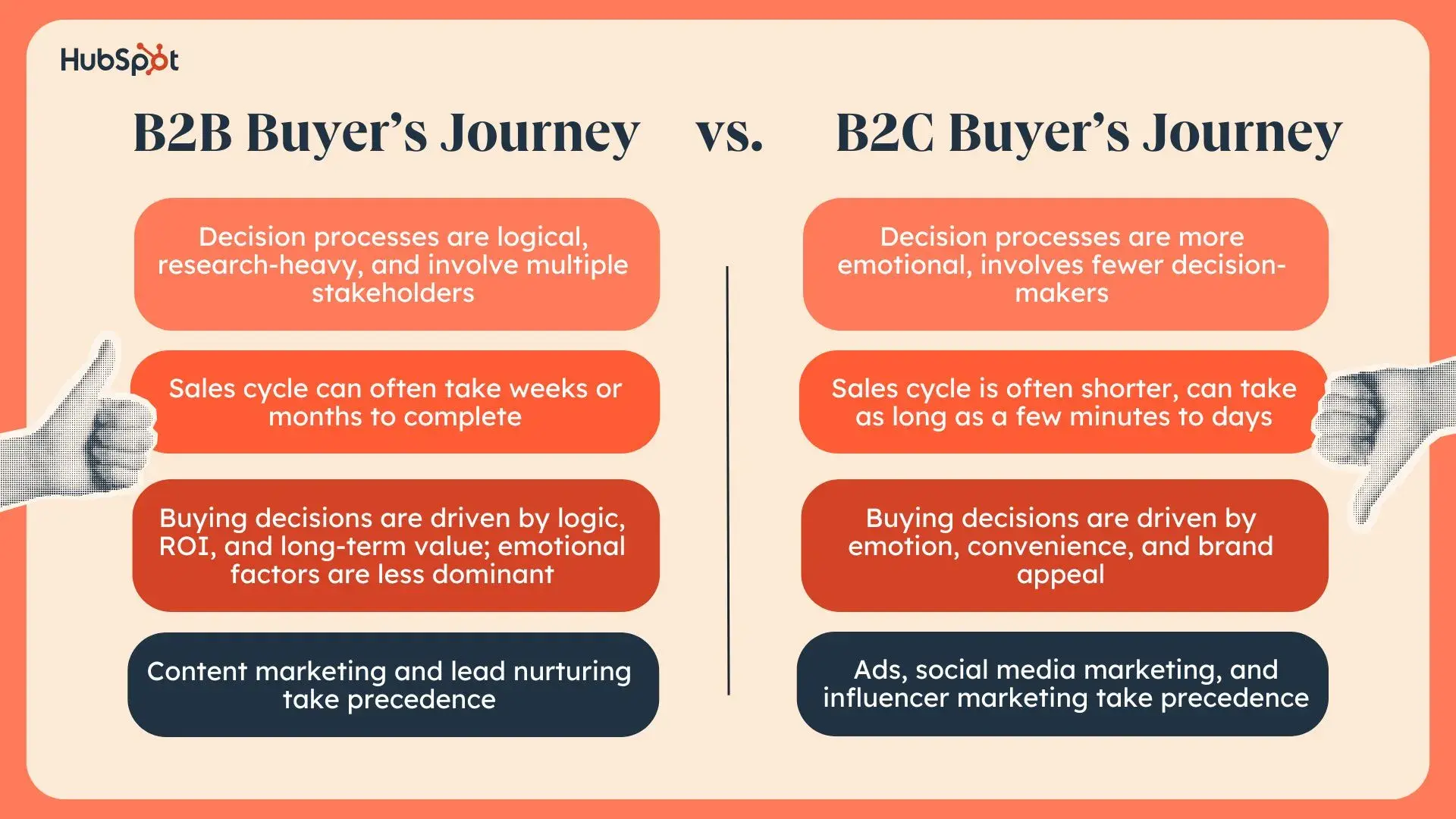
B2B selling is hard. You deal with long sales cycles. You also talk to many different people who all have different worries. Research from Gartner shows that a normal business purchase involves six to ten decision makers. Without a playbook, your teams often end up working from different assumptions.
Marketing might send one message to the public. Meanwhile, the sales team says something completely different on the phone. This causes delays, bad communication, and missed targets.
A good playbook brings order to that chaos. It creates a shared view of the customer. It tells everyone who you are targeting, what you should say to them, and when you should talk to them. A study by Forrester notes that companies with highly aligned sales and marketing teams grow much faster than their peers. When everyone operates from the same common source, decisions happen faster. Those long sales cycles also start to shorten.
The 7 Core Parts of a GTM Playbook
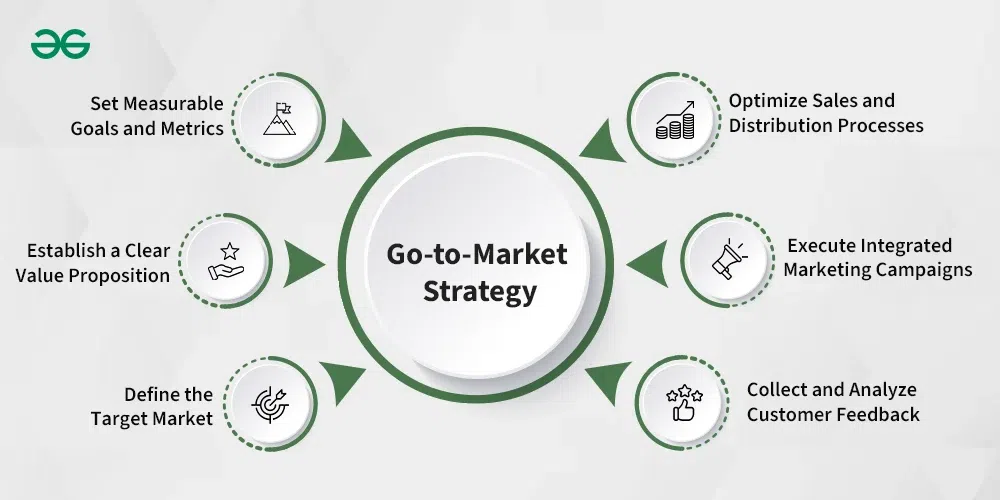
Before we build it, we need to know what the building blocks are. A strong GTM playbook usually has seven main sections.
1. Target Market and Segmentation
This is where you decide which industries, regions, or company sizes you will focus on. You cannot sell to everyone. If you try to sell to everyone, you spread your money and time too thin. For example, selling software to a small local dental clinic is very different from selling to a giant hospital.
2. Ideal Customer Profile and Buyer Personas
This is more than just a list of job titles. Your ideal customer profile (ICP) is a deep look into the people buying your product. You need to write down their daily problems, what motivates them, and how they actually like to buy things.
3. Unique Value Proposition and Messaging
This section explains your “why”. Why should someone buy from you instead of another company? You need a clear message and proof to back it up.
4. Sales Motion
This explains how you actually close deals. It outlines the exact steps a sales rep takes from the first phone call to the signed contract.
5. Marketing Channels
Here, you list how you will reach people. Are you using live events, writing blog posts, or paying for digital ads? This section tells the marketing team where to spend their time and money.
6. Competitive Positioning
You need to know who you are fighting against. This part lists your main competitors and explains how you beat them. It helps sales reps answer questions when a buyer brings up another company.
7. Customer Success
Retention starts the moment the deal closes. Your playbook needs to cover the handoff from the sales team to the customer success team. Keeping an old customer is much cheaper than finding a new one.
Step by Step: How to Build Your Playbook
Now let us get practical. How do you actually put this together? I like to follow a seven step process.
Step 1: Define Your Goals
You must know what success looks like. For example, maybe you want to lower the cost of finding a new customer by 15 percent. Maybe you want to double the number of people calling your sales team. Goals anchor every other decision you will make.
Step 2: Market and Competitor Analysis
Look closely at the market to find gaps. If your competitors make their setup process very confusing, your primary message should be about simplicity and speed.
Step 3: Choose Your GTM Motion
This is a big choice. Are you going to be product led, sales led, or marketing led? This choice depends on how your buyers prefer to buy and how complex your product is. We will talk more about this in the next section.
Step 4: Develop Messaging for Real Pain
This is where many people make mistakes. Your messaging should not just list generic benefits. It needs to speak to actual problems.
- Bad Example: “We help you sell more products.”
- Good Example: “We save your team five hours a week on manual reporting.”
Step 5: Map the Buyer Journey
Buyers go from learning about you, to testing your product, to making a decision. Your internal sales stages should match that journey perfectly. This removes friction from the buying process.
Step 6: Create Enablement Assets
Give your team the tools they need to win. This includes pitch decks, case studies, and objection handling scripts. If a buyer asks about data security, your reps should have a clear, pre approved answer ready to read.
Step 7: Embed It Into Training
A playbook is useless if it just sits in a folder on a computer. It needs to be part of every new worker’s onboarding process. You should also review it in weekly team meetings.
Choosing Your Growth Model
I want to pause and talk about the different GTM motions. Picking the wrong one can really slow you down.
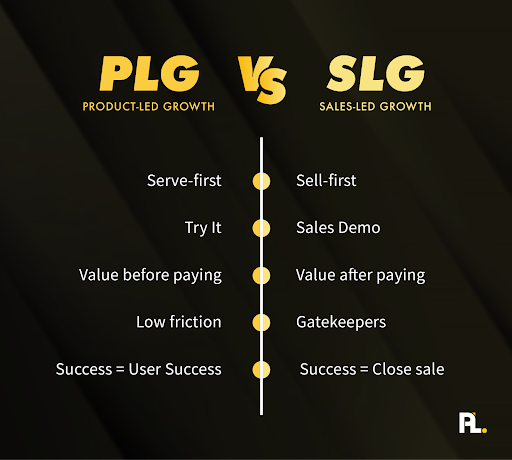
Think about the software company Slack. They are a classic example of product-led growth (PLG). The product itself drives people to use it. Users can just start a free trial, invite their friends, and go. The product does the selling.
Compare that to Salesforce, which uses a sales-led growth (SLG) model. It relies on relationships. Sales reps call managers, give long presentations, and sign large contracts. It takes a lot of human effort.
There is also marketing-led growth, where helpful articles and videos create demand. Finally, there is ecosystem-led growth, where partner companies help you sell your product to their own audiences.
Using Technology to Help Your Team
Once you pick your motion, you need the right tech to support it. This is where tools like configure-price-quote (CPQ) software and general automation come in.
Automation helps you create standard quotes and contracts quickly. This means your sales reps spend less time typing on paperwork and more time talking to real customers. It also gives business leaders clear visibility. They can look at a dashboard and see exactly where deals are getting stuck.
Common Mistakes to Avoid
Even with a plan, there are traps you can fall into.
The biggest mistake is building the playbook alone. If the marketing team writes it without talking to the sales team or customer success team, there will be huge gaps. You absolutely need input from every department.
Another trap is making the journey too complicated. If you have too many stages and require too many approvals, you will slow everything down. Keep it simple. Focus only on real buyer behavior.
How to Measure Success
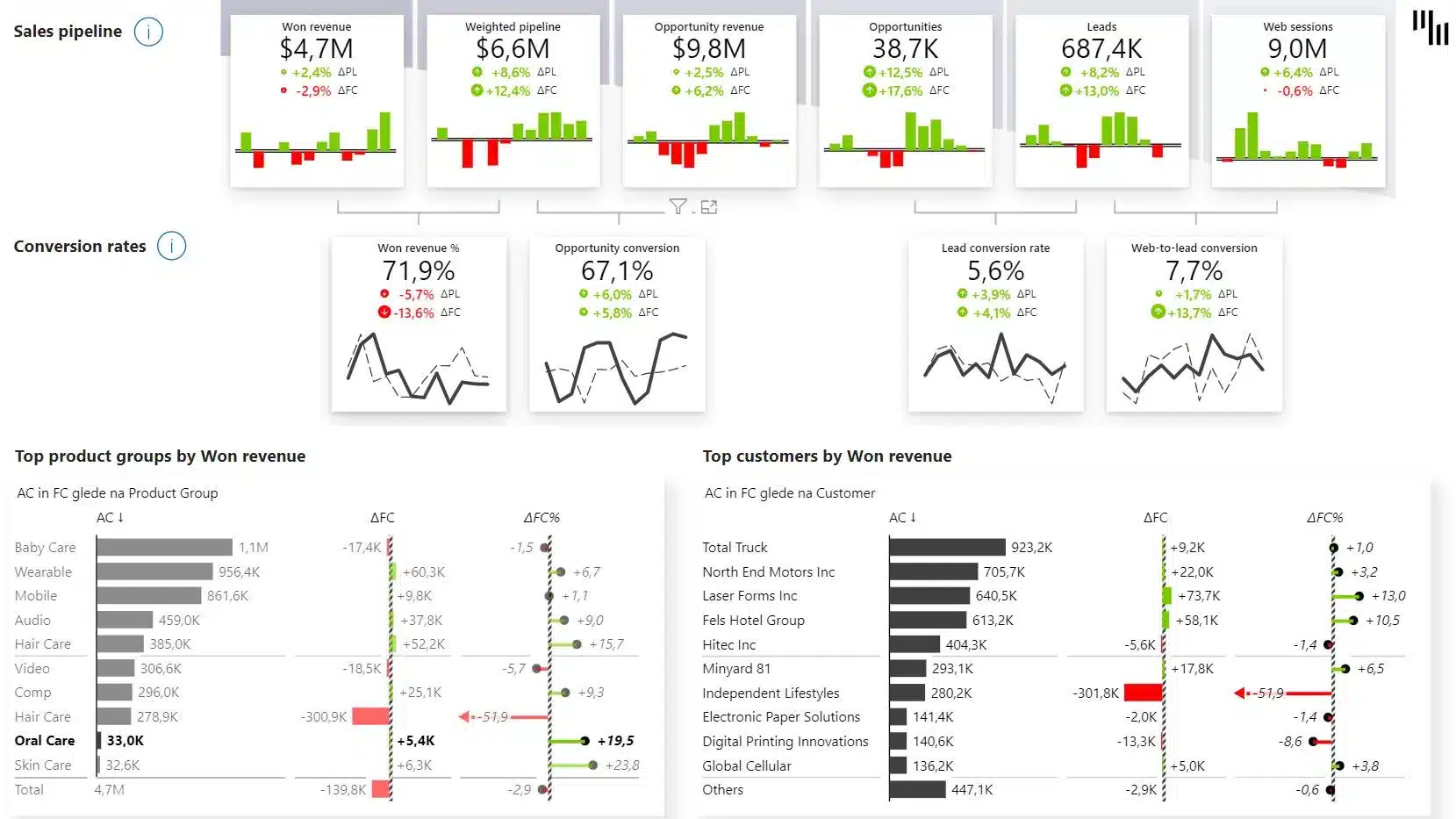
How do you know if your playbook is actually working? You have to track the data. According to Boston Consulting Group, companies that strictly monitor their sales data are far more likely to hit their revenue targets.
Look at your pipeline generation. This tells you how many potential deals are starting. Compare this number to your goals.
Check your win rates by segment. If you win 40 percent of deals with small businesses but only 10 percent with large businesses, your enterprise messaging might be wrong.
Keep a close eye on sales velocity. This measures how fast deals move from the first call to the final signature. If deals are moving through the pipeline faster than before, your playbook is likely doing its job.
Conclusion
To wrap things up, remember that a GTM playbook is not a project you finish and forget about. It is a living system.
The market changes over time. Buyer behavior shifts. Your product will also change. Because of this, you should review your playbook at least every three months. Gather feedback from your sales reps in the field. They are the ones who see what is actually working every single day. Run review meetings after every big launch and use those findings to make small, regular improvements.
Building a GTM playbook takes a lot of hard work. However, it is what allows you to grow your business with confidence instead of just guessing.
FAQs
What is a GTM playbook?
A GTM playbook is a company manual that explains how marketing, sales, product, and customer success teams work together to find buyers and close sales.
Who should build the GTM playbook?
It should be a team effort. Marketing usually leads the project, but they must get heavy input from sales leadership, product managers, and customer success leaders to make sure it is accurate.
How do you calculate sales velocity?
You calculate sales velocity by multiplying your number of active deals, your average deal size, and your win rate, then dividing that total number by the length of your sales cycle in days.
What is the difference between PLG and SLG?
PLG (product-led growth) relies on the product itself to attract and keep users, often through free trials. SLG (sales-led growth) relies on human sales reps to talk to buyers, do demonstrations, and close large contracts.
How often should a company update its GTM playbook?
You should review and update your GTM playbook at least once every quarter (every three months) to make sure your messaging and sales steps still match the current market.
-
What Is Demand Generation? A Simple Guide for B2B Growth
Recent posts:
Author

Rosi
Marketing Specialist
Go-To-Market • Content • Growth