Discover what demand generation is, how it differs from lead gen, and why it drives B2B growth. Learn simple steps to build buyer desire and boost revenue.
Table of Contents
Learn how to build real buyer desire and turn attention into revenue without chasing cold leads.
Introduction
Many business teams spend all their time chasing cold leads. They send thousands of emails and make hundreds of phone calls. Most of the time, buyers ignore them. If your sales team feels frustrated by bad leads, you are not alone. There is a better way to grow your business.
That better way is called demand generation.
Today, we will talk about what demand generation really means. We will look at why business-to-business companies need it. We will also clear up the confusion between demand generation, lead generation, and brand marketing. These terms get thrown around a lot, but they mean very different things.
By the end of this guide, you will understand how to stop chasing buyers and start making them come to you. I will explain this in simple language and walk you through the exact steps I use in real life.
Key Takeaways
- Demand generation is a complete plan. It is a go-to-market approach that builds strong desire in your ideal customers.
- Focus on the right people. You should not market to everyone. You must focus only on your dream customers.
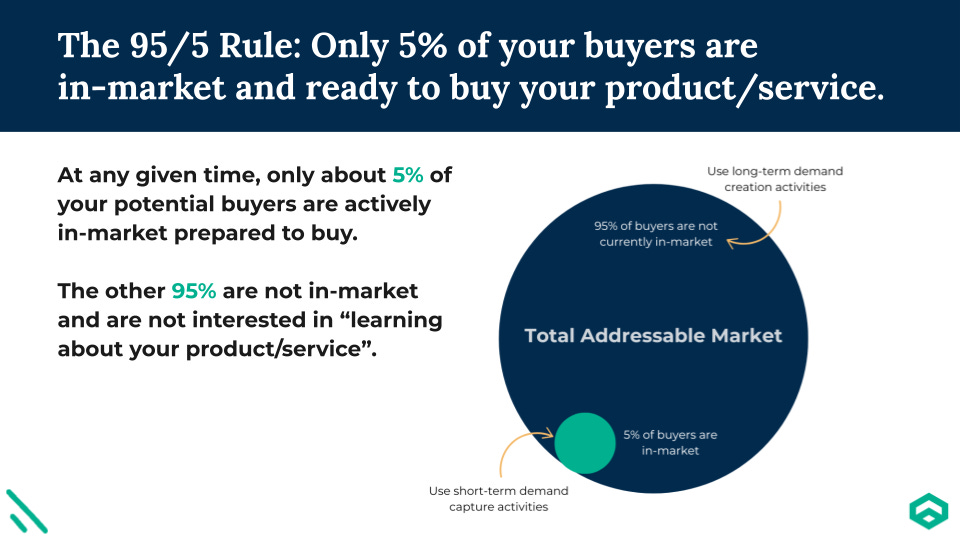
- Balance creation and capture. Most companies only try to capture the 5 percent of buyers ready to buy. You must also create demand in the 95 percent who are not ready yet.
- Meet buyers where they are. Buyers go through five clear stages of awareness before they make a purchase. Your content must match their current stage.
- Start early to win. Research shows that buyers usually pick the brand they hear about first. Building trust early leads to more sales later.
What Is Demand Generation?
If I had to define demand generation in one clear sentence, I would say this: demand generation is a go-to-market plan that builds strong desire in your ideal customers to buy from you.
That is it. But there are four very important parts inside that sentence. Let us unpack each one so it makes perfect sense.
1. It Is a Go-To-Market Plan
Demand generation is not just running a few ads. It is not just writing blog posts. It is a full plan for how your product enters the market. It shows how you will win attention, build trust, and turn that trust into money.
A proper plan aligns with your main business goals. It connects directly to your sales numbers. It has clear steps and ways to measure success. It brings order to your marketing.
2. It Builds Intense Desire
This is the emotional part of the job. Put yourself in your buyer’s shoes for a minute. They get cold emails, direct messages, ads, and phone calls all day long. Most of those messages get ignored completely. Even if the buyer actually needs the product, they are simply too busy to care.
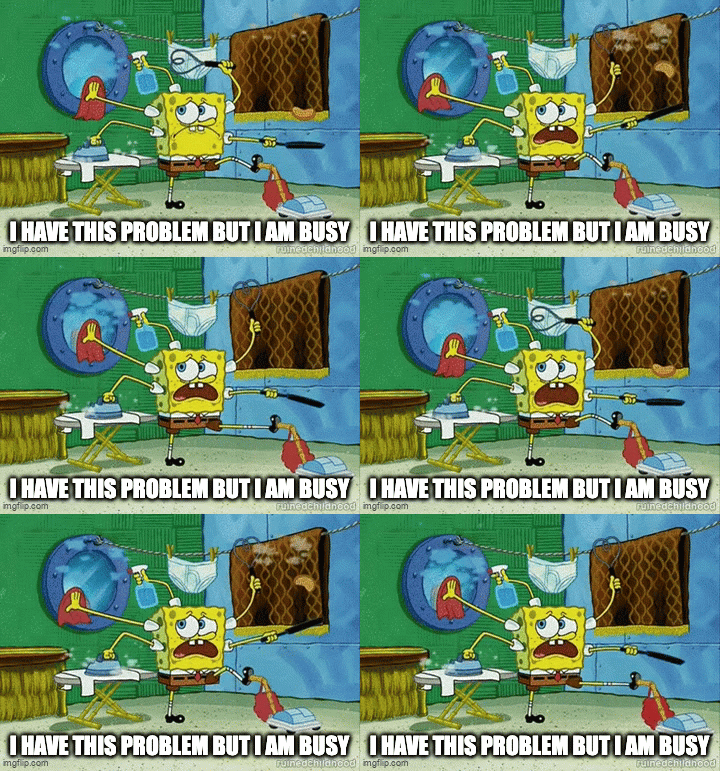
Our job as marketers is not just to show up. Our job is to make them care. We must help them feel their business pain clearly. We need to show them a better future. We are moving them from saying “I have this problem but I am busy” to saying “I need to fix this right now.” That emotional shift is the real magic of demand generation.
3. It Focuses on Dream Customers
This is where many teams fail. Your dream customer is not everyone who could possibly use your product. Your dream customer is a very specific slice of the market.
It is the group that is most likely to feel the pain quickly. It is the group you have the resources to win over. You must focus your effort. You do not try to market to everyone because a generic message will not work on anyone.
4. They Must Want to Buy From You
It is not enough to make someone want a new software tool. You must make them want your specific software tool. You must build desire for your brand. If you only educate them about the problem, they might go buy the solution from your competitor.
The Two Sides of Demand Generation
Here is where it gets interesting. Demand generation has two main pieces: demand creation and demand capture. Most marketers only focus on one piece, which causes big problems.
Demand Capture
This means targeting people who are ready to buy right now. Research shows that only about 3 to 5 percent of your market is in buying mode at any given time.
These are people actively searching for solutions on Google. They are visiting your pricing pages. They are comparing you to other vendors on review sites.
Most traditional marketing lives right here. It works well. You absolutely need to capture demand. But it does not grow well on its own because the pool of buyers is very small.
Demand Creation
This is the other 95 percent of the market. These people are either totally unaware they have a problem, or they know they have a problem but are not shopping yet.
If you ignore this 95 percent, you are fighting all your competitors over the same tiny 5 percent. It is like throwing fifty people with fishing poles into a very small pond. Everyone is fighting for the same fish. The competition is high, and the costs are huge. Demand creation means finding a new lake and feeding the fish before anyone else gets there.
The Five Stages of Awareness
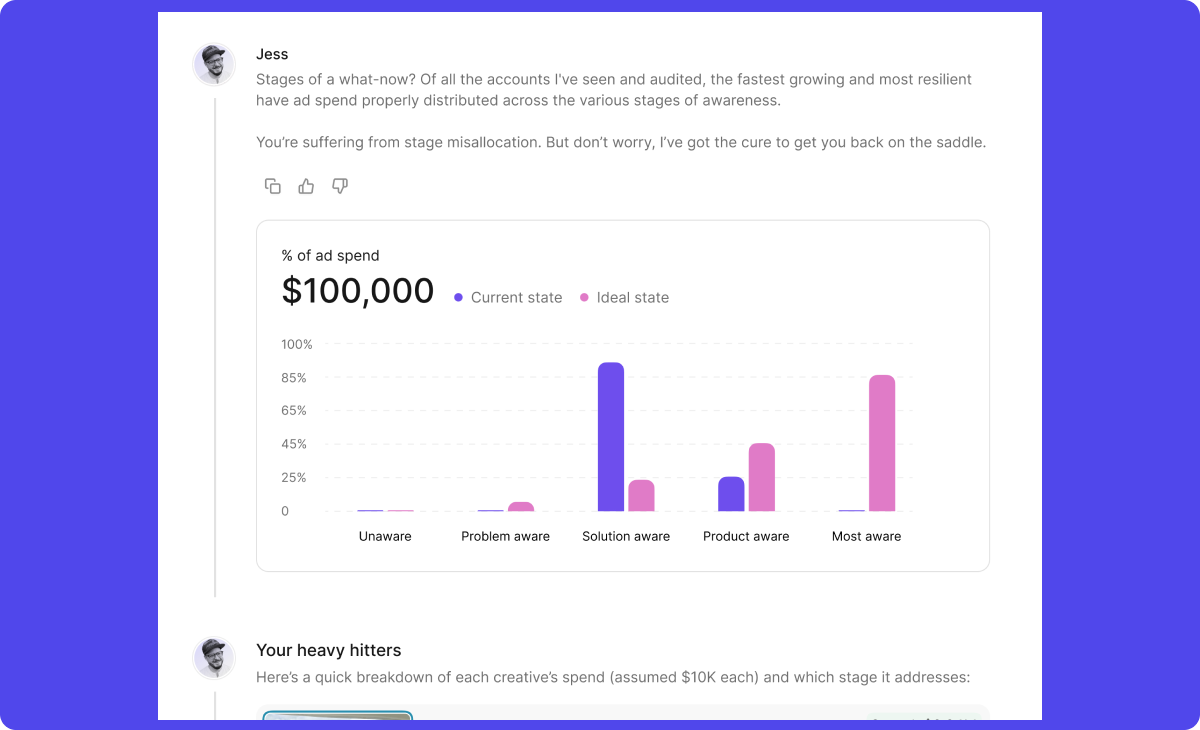
To do this right, you need to understand how buyers think. There is a classic marketing model called the Five Stages of Awareness. Let us break it down using a simple example. Imagine we are selling payroll software to a Human Resources manager.
Stage 1: Unaware
The manager does not even realize they have a problem. They think spending their entire weekend doing payroll in a spreadsheet is just normal. This is the biggest group of buyers. It is hard to reach them, but competition here is very low.
Stage 2: Problem Aware
The manager realizes something is wrong. They talk to a friend at another company who finishes payroll on Friday at noon. The manager asks, “Why is my team so slow?” They know the pain, but they do not know how to fix it. This is where your educational content matters most.
Stage 3: Solution Aware
The manager starts reading articles online. They learn that automated payroll software exists. They know a solution is out there, but they might not know your specific company yet.
Stage 4: Product Aware
The manager finds your website. They know your product. Now, they are comparing your features and prices to your biggest competitors.
Stage 5: Most Aware
The manager is ready to buy. They just need a final push, like a good sales call or a clear pricing proposal.
The biggest mistake companies make is only operating in stages 3, 4, and 5. They ignore the people in stages 1 and 2. Because of this, growing the business gets harder and more expensive every year.
The Bain & Company Insight
Research from Bain & Company shows a very powerful fact. Between 80 and 90 percent of buyers choose the brand that came to mind first.
Think about what that means. If you are not present early in the buyer journey, you are fighting for the leftover 20 percent of the market.
Let us do some simple math to make this clear. Imagine there are 100 possible companies that could buy your product.
- Only 5 of them are ready to buy right now.
- If they have never heard of you, only 20 percent of those 5 companies will even consider you.
- That leaves you fighting for exactly 1 company.
This is why purely capturing demand does not work long term. You need to be the first brand they think of when the problem starts.
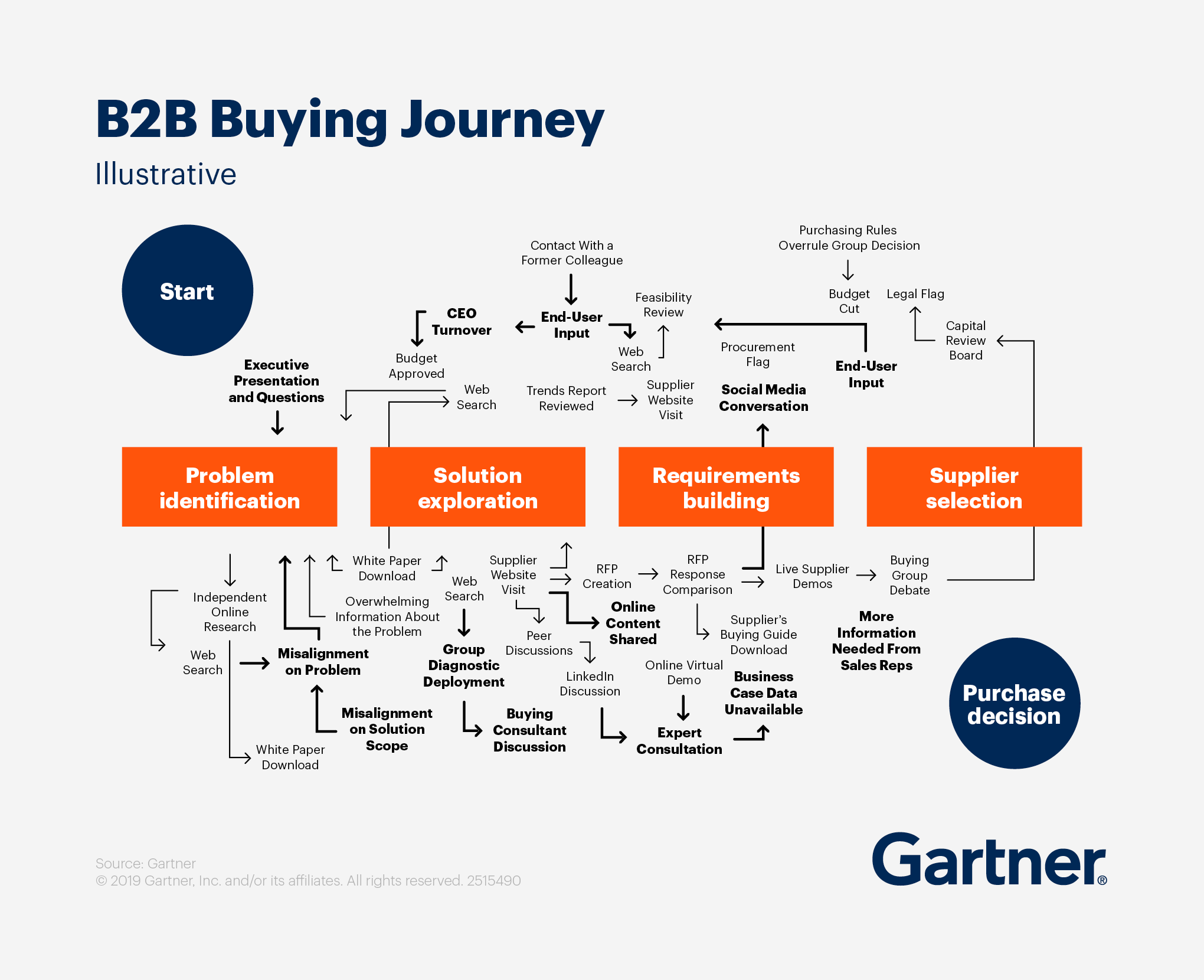
Furthermore, data from Gartner shows that business buyers spend only 17 percent of their total buying time meeting with potential suppliers. They spend the vast majority of their time researching on their own. If your marketing is not educating them during that independent research time, you will lose the deal.
Demand Generation vs Brand Marketing
People often ask me if demand generation is just the same thing as brand marketing. Not exactly. There is some overlap, but the end goal is different.
Brand marketing often focuses heavily on simple awareness and reputation. It measures success by how many people saw a video or liked a social media post. It stops near the top of the buyer journey.
Demand generation goes much further. It focuses on the full journey all the way down to the final sale. It cares deeply about the sales pipeline and actual revenue. Brand marketing might want to make people smile or remember a logo. Demand generation wants to make people trust you enough to sign a contract.
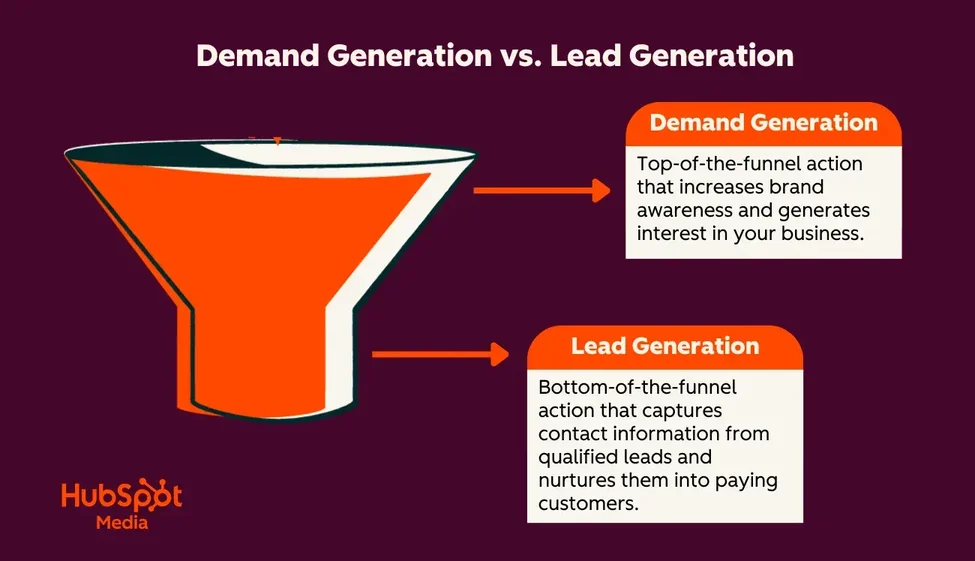
Demand Generation vs Lead Generation
This is the biggest point of confusion. Many people think lead generation is bad. That is not true. Bad lead generation is bad. Good lead generation is basically just demand capture.
Here is what usually happens at a typical company. The boss tells the marketing team to generate “more leads.” So, the marketing team creates a gated ebook. They force people to give an email address to download a PDF.
They collect 500 email addresses. They hand those leads to the sales team. The sales team calls them all. Almost every person says, “Please stop calling me, I just wanted to read the ebook.”
The sales team gets angry. The marketing team gets blamed. Everyone loses.
Let us compare the two approaches using simple numbers.
The Typical Lead Gen Model:
- You collect 500 low quality leads.
- Only 1 percent agree to a real sales meeting. That is 5 meetings.
- You close 20 percent of those meetings. That equals 1 new customer.
- You bothered 500 people to get 1 customer.
The Demand Gen Model:
- You share free content and wait for buyers to come to you. You get 100 high intent leads.
- 15 percent of them agree to a meeting because they actually want to talk. That is 15 meetings.
- You close 20 percent of those meetings. That equals 3 new customers.
- You get 3 customers from just 100 leads.
The second model gives you fewer leads, but the quality is much higher. You get better efficiency. Demand generation filters out the wrong people early. It builds trust before the sales team ever picks up the phone.
Why Demand Gen Wins Long Term
Demand generation works because it matches how actual humans buy things.
Think about the last time you bought something expensive for your business. You did not download one PDF and instantly ask for a sales pitch. You spent time doing research. You watched videos. You read reviews. You compared different options. You reflected on your budget.
Demand generation respects that natural journey. It gives buyers the information they need at their own pace. Lead generation tries to take a shortcut, and buyers hate shortcuts.
Why You Should Start Earlier
There is another big reason to focus on the early stages of awareness. Competition increases heavily as buyers get closer to a decision.
When a buyer is at the “most aware” stage, every company in your industry is bidding on the same search keywords. The cost to run ads there is incredibly high.
But at the “unaware” stage, competition is very low. Advertising is cheaper. You have the space to build real relationships. If you start educating buyers early, that trust builds up over time. It creates a moat around your business that competitors cannot cross.
Frequently Asked Questions
What is demand generation?
Demand generation is a complete marketing plan that builds strong interest and desire for your product in your ideal buyers. It guides them through their entire learning journey until they are ready to purchase from your specific company.
How do you measure demand generation?
You measure demand generation by tracking the quality of inbound requests, the number of successful sales meetings booked, and the total revenue won. You look at actual business results instead of just counting website clicks or social media likes.
What is the difference between demand creation and demand capture?
Demand creation educates the 95 percent of buyers who have a problem but are not yet shopping for a solution. Demand capture targets the 5 percent of buyers who are actively comparing products and are ready to buy right now.
Why is lead generation sometimes considered bad?
Lead generation is bad when companies force people to hand over their contact information just to read educational content. This creates a large list of people who do not actually want to buy, which wastes the sales team’s time and hurts the company’s reputation.
Conclusion
If we look back at everything we discussed, the path forward is clear. Demand generation is a complete plan that builds strong desire in your dream customers. It requires you to do two things at once. You must capture the small group of people ready to buy today, and you must create demand in the large group of people who will buy tomorrow.
Only capturing demand will eventually cause your business to stall. Building real trust takes time, but it respects how buyers naturally behave. The earlier you start building awareness, the easier it becomes to grow your business later.
Ask yourself one final question. If you removed your entire current sales pipeline today, would new buyers naturally come to you tomorrow?
If the answer is no, you do not have a demand engine yet. That is your biggest opportunity.
-
The Complete Guide to Building a Go-To-Market Playbook
Recent posts:
Author

Rosi
Marketing Specialist
Go-To-Market • Content • Growth